


Queenstown operates as a genuine four-season destination where the ideal timing depends entirely on what you want to experience. This South Island adventure hub delivers year-round appeal, but each season brings dramatically different conditions, crowd levels, and pricing.
The best time to visit Queenstown is December–February for warm lake days and hiking, or July–August for peak ski season.
Queenstown Seasons at a Glance
| Season | Best For | What to Expect |
|---|---|---|
| Summer December–February | Hiking, lake days, outdoor adventures | Warm 20–30°C days, long daylight hours, busy attractions and peak accommodation prices. |
| Autumn March–May | Scenery, wine, quieter travel | Golden colours, calmer trails, vineyard visits and better-value stays, especially after Easter. |
| Winter June–August | Skiing, snowboarding, après-ski | Cold -4°C to 8°C conditions, snowy mountains, ski crowds and strong demand in July. |
| Spring September–November | Mixed activities and value | Snow-capped peaks, green valleys, spring blooms, variable weather and fewer crowds. |

When Is the Best Time to Visit Queenstown?
There is no single “best” month to visit Queenstown. The optimal timing depends on whether you prioritise snow sports, hiking, autumn photography, budget-friendly travel, or family-friendly conditions. Queenstown is a year-round destination, with different seasons catering to various activities such as summer hiking, autumn photography, winter skiing, and spring nature observation.
Season-by-season breakdown:
- Summer (December–February): Hiking, lakes, water sports, nightlife, and outdoor adventures
- Autumn (March–May): Fall colours, calmer vibes, vineyard visits, photography
- Winter (June–August): Snow sports, world class skiing, cosy après-ski atmosphere
- Spring (September–November): Mix of snow capped peaks, green valleys, blooming landscapes
New Zealand’s seasons run opposite to North America and Europe—July is mid-winter, January is mid-summer. This catches many first-time visitors off guard when packing.
Two distinct peak seasons drive crowds and pricing: summer (December–February) and winter (June–August). The best value months are generally May and early September, when you’ll find fewer tourists and better deals on everything from accommodation to rental cars.
Summer in Queenstown (December – February)
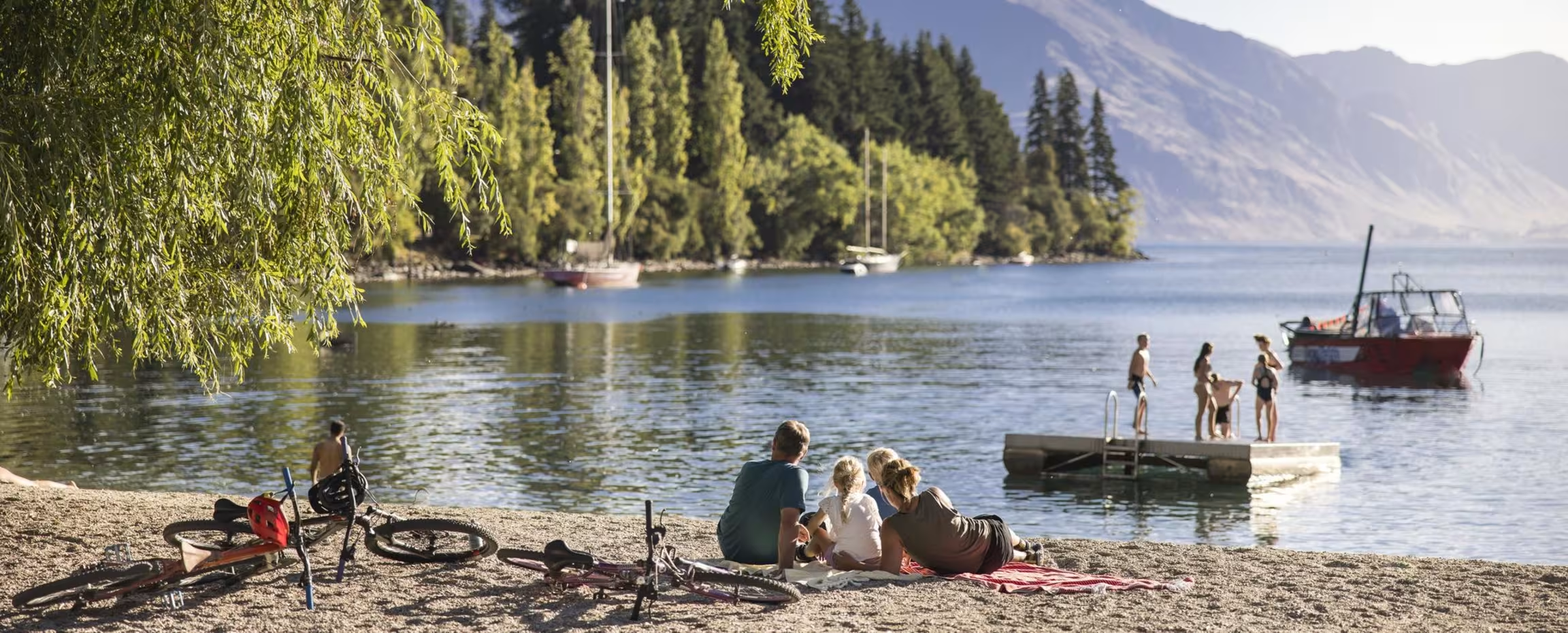
Summer in Queenstown runs from December to February, with average temperatures ranging from 20°C to 30°C (68°F to 86°F), making it the peak season for outdoor activities. Picture hot, bright days along Lake Wakatipu, packed bars spilling onto terraces, busy hiking trails, and a contagious holiday energy throughout town.
Long daylight hours in summer, with the sun setting as late as 10pm, provide ample time for outdoor activities such as hiking and water sports. Sunrise arrives around 5am in late December, giving you over 17 hours of usable daylight for exploration. Rainfall is relatively low, though strong UV requires serious sun protection.
The summer season is peak travel time in Queenstown, leading to higher accommodation prices and crowded attractions. The busiest stretch runs from just before Christmas through late January, with another surge around Waitangi Day on February 6th. Expect crowds at every major attraction during this window.
Hero summer activities to prioritise:
- Swimming and stand-up paddleboarding at Frankton Beach and Wilson Bay
- Hiking Ben Lomond Track and Queenstown Hill for panoramic views
- Jet boating on the Shotover River for an adrenaline rush
- Cruising Lake Wakatipu aboard the historic TSS Earnslaw steamship
- Winery afternoons in Gibbston Valley sampling Central Otago Pinot Noir
- Cycling over 130km of the Queenstown Trail
Summer is popular for water sports in Queenstown, including kayaking and jet boating, due to the warm weather and lake conditions.
Pros:
- Best conditions for water activities and lake swims
- Long days maximise sightseeing time
- Lively atmosphere with events and nightlife
- Guaranteed good weather for outdoor adventures
Cons:
- Peak season prices on accommodation and activities
- Heavy traffic, especially around peak summer periods
- Need to pre-book restaurants, tours, and popular attractions
Visitors should book accommodations and popular activities well in advance during the summer months to avoid disappointment due to high demand. For travel in late December through January, secure your accommodation, rental cars, and popular activities at least 4–6 months in advance.
For families
Travelling in school holidays? Staying in Queenstown gives family accommodation in Queenstown more flexibility for lake days, activities and easy meal options.
Is Summer the Best Time to Visit Queenstown?
Summer is ideal for first-time visitors who prioritise hiking, lake time, and warm weather. If your trip centres on outdoor activities like bungee jumping, canyoning, or spending time on the water, this is your season.
February offers the most stable warm weather for outdoor activities like bungee jumping, jet boating, and high-alpine treks. February emerges as the sweet spot: still summer weather around 22°C, slightly fewer crowds after the New Year rush, and fantastic time conditions for multi-day hikes and road trips throughout the surrounding mountains.
Travellers who dislike heat, summer crowds, or peak season prices may prefer late November spring or early March autumn instead. These shoulder periods offer similar temperatures with substantially fewer tourists.
Autumn in Queenstown (March – May)
Autumn in Queenstown runs from March to May, with temperatures ranging from 5°C to 25°C (41°F to 77°F). Picture clear blue skies, crisp mornings, golden hillsides, quieter lakeside walks, and cooler temperatures in the evenings that call for a light jacket.
Autumn (March–May) is known for stunning red and gold foliage and is great for hiking. The brilliant colours around Arrowtown, Lake Hayes, and along sections of the Queenstown Trail typically peak mid-April, though timing varies year to year.
Mid-to-late April coincides with the peak of autumn colors and the Arrowtown Autumn Festival, which is a visual highlight in New Zealand. The Arrowtown Autumn Festival occurs in April and is known for its spectacular fall colors, drawing photographers and colour chasers from around the world.
Key autumn activities:
- Day trip to historic Arrowtown (20 minutes from Queenstown) during the autumn festival
- Easy walks around Lake Hayes and Queenstown Gardens among golden trees
- Soaking at Onsen Hot Pools overlooking the Shotover Canyon
- Vineyard lunches without summer crowds in Gibbston Valley
- Photography sessions capturing the autumn colours at their peak
Visiting Queenstown in autumn can be more budget-friendly, as it is considered an off-peak season, leading to better deals on accommodation and activities. Prices drop noticeably after Easter, with May standing out as one of the quietest and best-value months to visit.
Trade-offs to consider:
While autumn offers beautiful scenery and fewer crowds, it can also mean limited opening hours for some activities and restaurants as the season progresses. Some summer-only operations reduce hours or pause by late May, evenings get cool quickly, and it’s generally too early for consistent skiing on the ski fields.
Why Visit Queenstown in Autumn?
Autumn is the perfect season for photographers, food and wine lovers, and couples seeking a more relaxed pace and romantic atmosphere. The autumn season is known for its stunning fall colors, particularly around Arrowtown, making it a popular time for photography.
Optimal times for specific activities include April for photographers seeking those iconic golden landscapes. March and early April offer a solid balance of decent warmth (up to 25°C early on), emerging fall colours, and fewer tourists than peak summer.
Consider autumn if you want hiking and mountain biking in mild cooler temperatures rather than summer heat or winter snow. The trails are quieter, the light is spectacular, and you’ll actually get a table at popular restaurants without booking weeks ahead.
For couples
Planning an autumn or spring escape? Staying in Queenstown makes it easy for couples to combine scenery, food, wine and lakefront walks in one trip.

Winter in Queenstown (June – August)
Winter in Queenstown runs from June to August, with temperatures typically ranging from -2°C to 8°C (28°F to 46°F), making it a chilly season. Picture snow capped mountains framing Lake Wakatipu, frosty mornings coating the lakefront, log fires crackling in cosy pubs, and a buzzing ski-town atmosphere with the smell of mulled wine drifting from bar doorways.
Daylight hours in winter are shorter, with sunrise around 8am and sunset before 5pm, which can limit the time available for outdoor activities. Frequent frost blankets the town most mornings, though snow typically falls on the surrounding mountain ranges rather than at lake level. Blue skies are common between weather systems.
The winter months in Queenstown can be busy due to the ski season, especially during school holidays in July, leading to higher accommodation prices and the need for early bookings. This peak ski season runs from late June through August, with the busiest periods aligning with New Zealand and Australian school holidays (roughly early to mid-July).
Queenstown is a popular destination for skiing during winter, with several ski fields like Coronet Peak and The Remarkables attracting many visitors.
Main ski fields with key features:
| Ski Field | Distance from Town | Best For |
|---|---|---|
| Coronet Peak | 20 minutes | Night skiing (Wed-Sat), all ability levels |
| The Remarkables | 15-20 minutes | Family-friendly terrain, panoramic views |
| Cardrona Alpine Resort | 1 hour | Terrain parks, beginner zones |
| Treble Cone | Via Wānaka | Advanced skiers, steep terrain |
Non-ski winter activities:
- Helicopter tours over snowy landscapes and glaciers
- Moody Milford Sound cruises with dramatic winter light
- Soaking in hot pools after a day on the slopes
- Ice skating experiences and ice bars
- Cosy lakefront dining with mountain views
While winter is a peak season for skiing, it can also be a quieter time to explore attractions outside of Queenstown, such as Milford Sound, which are less crowded compared to summer.
Practical winter considerations:
Pack proper layers including thermals, waterproof outerwear, hats, gloves, and sturdy footwear. Winter driving skills are essential, and snow chains may be required for routes to ski fields. Rental cars and accommodation prices climb during peak ski weeks.
Is Winter the Best Time to Visit Queenstown?
Optimal times for specific activities include July to August for winter sports when snow conditions are most reliable. These months deliver consistent powder, peak ski events, and the liveliest après-ski atmosphere in town.
Early June and late August offer slightly better prices and fewer crowds, but snow conditions become more variable. You might score great value deals but face the trade-off of less predictable conditions on the slopes.
Winter is perfect for skiers, snowboarders, and those chasing snowy landscapes, but not ideal if you dislike cold temperatures, short days, or potentially challenging driving conditions. If spring skiing appeals with quieter slopes, consider early September instead.
For groups
Planning a ski weekend with friends? Staying in Queenstown can make group accommodation, mountain transport and dinner plans much easier to manage.

Spring in Queenstown (September – November)
Spring in Queenstown runs from September to November, with temperatures ranging from 8°C to 22°C (46°F to 71°F). Picture snow still clinging to the peaks while valleys burst with green, lambs dotting the hillsides, and longer, increasingly warm days.
Spring weather in Queenstown can be unpredictable, with frequent rain showers that may affect outdoor activities. Frosty crisp mornings remain possible in early September, while November spring afternoons can feel almost like summer with clear days and temperatures pushing into the low 20s.
Spring (September–November) features blossoming landscapes and fewer crowds compared to summer. Early spring is typically one of the quietest times to visit Queenstown, allowing for better prices on accommodation and activities.
Key spring activities:
- Spring skiing on higher ski fields in early September (sometimes in t-shirts on sunny days)
- Whitewater rafting fuelled by snowmelt creating exciting rapids
- Hiking lower-level tracks through Queenstown Gardens and around the lakefront
- Winery tours through Gibbston Valley
- Skyline Gondola and luge with views of blooming valleys
- Lakeside walks among new blossoms and fresh air
By late spring, Queenstown experiences an increase in visitors and prices as the summer season approaches, leading to more crowds. Labour Weekend (late October) tends to be busier than surrounding weeks.
Spring trade-offs:
Pack layers and a light rain jacket—weather can shift quickly. Some higher alpine tracks remain closed or snow-covered until late November. Check conditions before attempting routes like Ben Lomond early in the season.
Who Should Visit Queenstown in Spring?
Spring is ideal for travellers seeking a mix of activities—some snow, some hiking, some wine and lake time—without the peak season rush. It offers endless adventures across multiple activity types in a single trip.
Late October and early November suit those who prefer milder temperatures, longer days, and great value travel deals compared with peak summer prices. The shoulder season sweet spot delivers summer-like conditions at a fraction of the cost.
Optimal times for specific activities include November or early March for quieter times with balanced activities. Early September attracts budget-conscious skiers willing to accept more variable snow conditions in exchange for cheaper lift passes and quieter slopes.
Best Time to Visit Queenstown by Interest
The ideal month changes depending on whether you prioritise skiing, hiking, nightlife, family-friendly weather, or budget. Here’s how to match your interests to the calendar.
Interest-based timing guide:
- Best for snow sports: July–August (reliable snow, peak events)
- Best for hiking and alpine views: February–March (warm, clear, trails fully open)
- Best for autumn foliage: Mid-April (Arrowtown colours peak)
- Best for value and fewer crowds: May and early September
- Best for lake swims and long evenings: January–February (water reaches 10-14°C)
- Best for photography: April for autumn colours, February for alpine clarity
Family travel note: New Zealand and Australian school holidays make mid-December through late January and early-to-mid July extremely busy and more expensive. Families tied to these dates should book 5-6 months ahead.
Budget traveller tip: Aim for late April–May or September–early October. Book midweek stays, remain flexible on dates, and watch for flight sales into Queenstown or nearby airports. Avoid long weekends and public holidays entirely.
Choose your dates by first deciding which 2-3 activities are non-negotiable (skiing vs swimming vs wine tasting), then selecting the season that best aligns with those priorities.
Quick Month-by-Month Snapshot
- January: Hottest month, busiest crowds, best for lake days and water activities
- February: Still hot with sunny days, slightly fewer crowds, ideal for multi-day hikes
- March: Warm days, quiet trails, great hiking without summer heat
- April: Peak autumn colours, Arrowtown Autumn Festival, photography paradise
- May: Very quiet, cool mornings, excellent value on accommodation
- June: Early ski season ramps up, variable snow, pre-peak deals
- July: Coldest month, peak snow and crowds, winter sports at their best
- August: Reliable powder, popular with Australian visitors, lively atmosphere
- September: Late ski season deals, shoulder season pricing begins
- October: Spring wildflowers, variable weather, early October offers good value
- November: Almost-summer feel, shoulder prices, approaching busy season
- December: Holiday build-up, early summer warmth, book well ahead
Practical Tips for Timing Your Queenstown Trip
Beyond weather, consider events, school holidays, and booking logistics when selecting your travel dates. Queenstown has an alpine climate, so temperatures can drop quickly even in summer, necessitating packing layers and a waterproof jacket year-round.
Major busy periods to plan around:
- Christmas–New Year (approximately 24 December–2 January)
- New Zealand and Australian summer school holidays (late December–late January)
- Winter school holidays (usually early-to-mid July)
- Popular event weeks and long weekends
Booking timeline recommendations:
| Travel Period | Book In Advance |
|---|---|
| Christmas–New Year | 5-6 months |
| Mid-July ski season | 5-6 months |
| Other summer/winter dates | 3-4 months |
| Autumn and spring | 1-2 months |
Packing strategies by season:
- Year-round: Layers are essential regardless of season
- Summer/spring: Strong sun protection (hat, sunscreen, sunglasses)
- Winter: Thermals, waterproof outer layers, warm hat, gloves, sturdy boots
- Autumn/spring: Adaptable clothing for variable conditions, light rain jacket
Daylight planning: Summer’s long days suit early starts and packed itineraries. Winter’s shorter daylight means prioritising your must-do activities during the limited sunny hours between 8am and 5pm.
FAQ
-
There is no universal “best” month, but February often offers the most reliable warm weather, long days, excellent hiking conditions, and slightly fewer crowds than late December and January. February offers the most stable warm weather for outdoor activities like bungee jumping, jet boating, and high-alpine treks.
July is the top choice for dedicated skiers and snowboarders who prioritise powder over warmth and extended daylight. Choose based on whether you value warm lake days (February), snow sports (July–August), or autumn scenery with value pricing (April–May).
-
The quietest and best-value times are generally May, early June before ski season kicks into gear, and early September before spring picks up momentum. These shoulder season windows offer substantial savings on flights, accommodation, and activities.
Mid-week stays outside school holidays are typically cheaper and calmer than weekend visits. Travellers flexible on dates should watch for flight sales and avoid long weekends and public holidays for the best pricing.
-
Lake Wakatipu is swimmable but always cold, typically around 10-14°C (50-57°F) even at the height of summer. The water never becomes warm by tropical standards, so expect an invigorating rather than relaxing dip.
The warmest time for swimming and beach days is January and February when air temperatures are highest. Popular swimming spots include Frankton Beach, Wilson Bay, and Kelvin Heights. Bring a towel and light layers—the wind picks up quickly after you exit the water.
-
Many low-level tracks including Queenstown Hill, Queenstown Gardens, and the Lake Hayes loop remain accessible year round. These make excellent options even in winter when higher routes are snow-covered.
Higher alpine routes like Ben Lomond Track are usually best from late November through April, depending on snow and ice conditions. Always check Department of Conservation (DOC) updates and local advice before attempting alpine hikes outside of summer months.
-
Absolutely. Queenstown delivers stunning scenery and excellent experiences even without bungy jumping or extreme activities. Lake cruises on the TSS Earnslaw, winery tours through Gibbston Valley, scenic drives, spa treatments, Onsen Hot Pools sessions, and relaxed lakeside dining all provide a fantastic time.
Autumn and spring are particularly well-suited for slower-paced trips focused on scenery, food and wine, and photography. Use the seasonal guide above to time your visit around comfort, crowd levels, and budget rather than purely adventure activities. The fresh air and surrounding mountains remain spectacular regardless of adrenaline levels.
Plan Your Queenstown Stay With Pinewood
Whether you’re coming for summer hikes, autumn colours, winter skiing or a spring getaway, Pinewood is a practical Queenstown accommodation base for easy access to town, activities and the wider region. Get in touch with our team at Pinewood for the best possible rates for your stay.
For groups
Planning a ski weekend with friends? Staying in Queenstown can make group accommodation, mountain transport and dinner plans much easier to manage.
For couples
For couples, Queenstown makes it easy to combine seasonal scenery, great dinners, lake views and a more rounded weekend away.
For families
If you’re visiting as a family, staying in Queenstown usually offers more flexibility, dining options and activities beyond the main seasonal attractions.